Inland vs Coastal Boat Insurance in South Africa: Key Differences
The insurance needs of a ski boat on the Vaal Dam are very different from a yacht in Cape Town. Here's how inland and coastal boat insurance compare.
South Africa's recreational boating community is divided between those who primarily boat on inland waters — the dams and rivers of Gauteng, the Highveld, and KwaZulu-Natal — and those who navigate the coastal waters of the Indian and Atlantic Oceans. While the core insurance product is fundamentally the same, the risk profiles, policy requirements, navigation limits, and practical insurance considerations differ meaningfully between these two environments.
Navigation Limits: The Fundamental Insurance Difference
The most significant policy difference between inland and coastal boating is the defined navigation area — the geographic zone within which the policy provides cover:
Inland policies cover all South African rivers, dams, lakes, and estuaries. They explicitly exclude coastal and offshore waters. A boat insured under an inland policy that suffers an incident on coastal waters — even just inside a harbour — may not be covered.
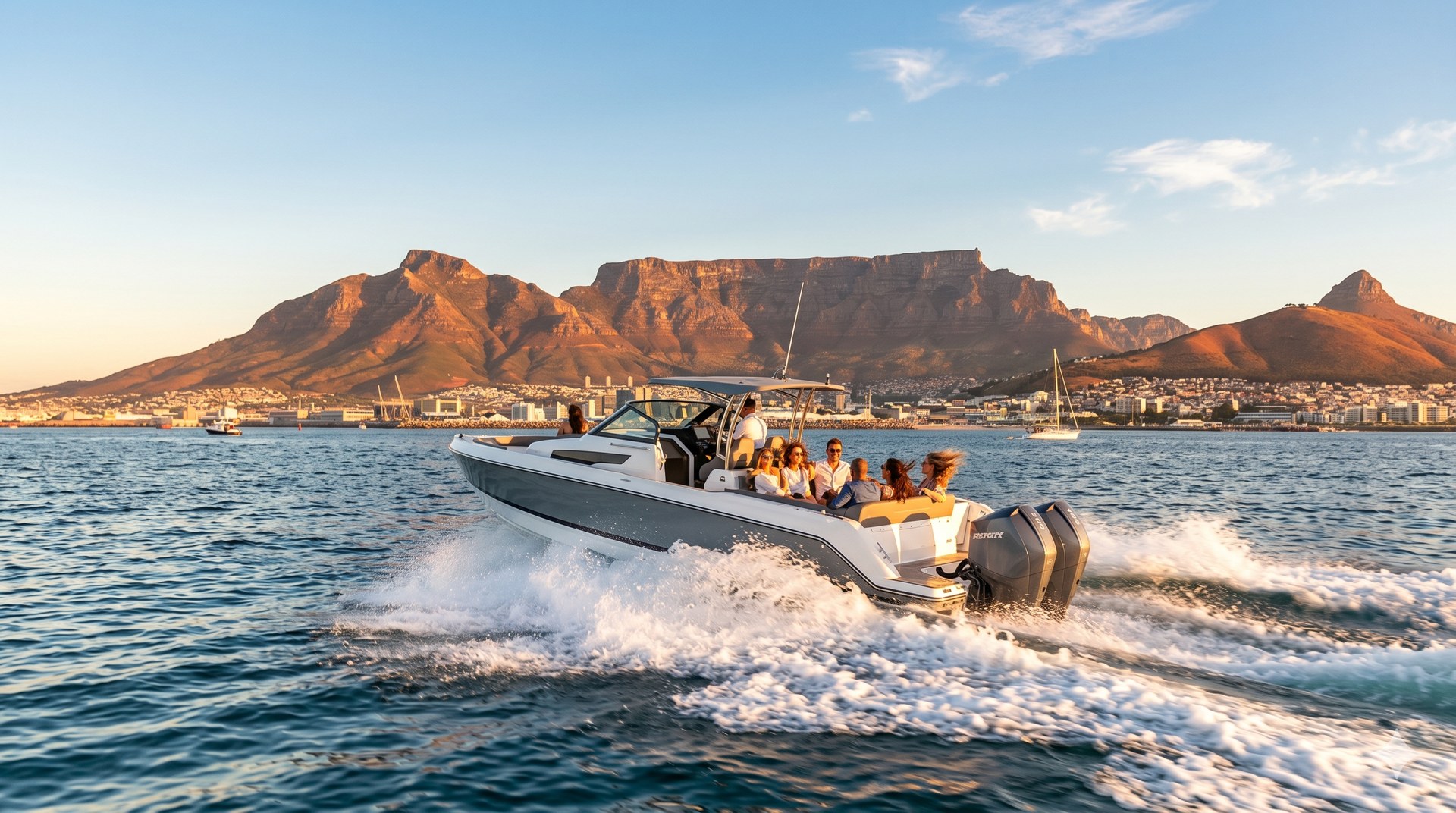
Coastal policies cover the South African coastline typically up to 12 nautical miles offshore. Most comprehensive coastal policies also include all inland waterways as standard, making them the naturally more versatile option for boat owners who use their vessels in both environments.
Offshore extensions are available as additions to coastal policies for passages beyond 12nm — deep-sea game fishing, bluewater cruising, offshore racing, international voyages.
If you own a ski boat that lives on the Vaal Dam but you occasionally bring it to the coast for a beach holiday, a coastal policy covering both inland and coastal waters is the sensible choice. The premium difference is usually modest.
Risk Profiles: How the Two Environments Differ
The physical risks faced by inland and coastal boats are fundamentally different:
Inland boating risks:
- Highveld thunderstorms and lightning (sudden, dangerous, seasonal)
- High vessel density on peak weekend days (collision risk)
- Submerged objects — rocks, tree stumps, sandbars, and debris
- Shallow water hazards and water level fluctuations
- Outboard engine theft at public boat ramps
- Trailer theft and road accidents on busy N-roads
- Water quality issues — floating hyacinth, algae blooms
Coastal boating risks:
- Ocean swell, sea state, and weather systems
- Challenging harbour entrance conditions (Knysna Heads, Durban Harbour in northerly swell)
- Commercial shipping traffic and navigational conflicts
- Offshore weather deterioration — conditions changing rapidly
- Cold water immersion risk (Cape coast particularly)
- Saltwater corrosion affecting all metal components and electronics
- Tidal variations and rocky coastlines
Neither environment is inherently more dangerous than the other, but they require different knowledge, skills, equipment, and insurance structures.
Premium Comparison: Inland vs Coastal
All other factors being equal, inland waterway boating typically attracts lower premiums than coastal navigation. The primary driver is the perceived higher risk of coastal environments, particularly the rescue and salvage cost exposure associated with incidents in offshore waters.
However, premium comparisons between inland and coastal must account for the specific vessel type, location, storage arrangements, and skipper profile. A large motor yacht moored at Hartbeespoort Dam insured for coastal navigation may have a lower premium than a comparable vessel at a Cape Town marina, but the difference is less pronounced than many boaters assume.
The offshore extensions required for game fishing trips and offshore passages attract the most significant additional premium, reflecting the genuine increase in rescue cost exposure for incidents beyond 12nm.
Vessel-Specific Considerations
The type of vessel also influences the inland vs coastal decision:
Ski boats and jet skis are overwhelmingly used on inland waters. Their flat-bottomed hull forms are not well suited to coastal sea states, and very few ski boat owners regularly operate in coastal waters. An inland-only policy is typically correct for these craft.
Fishing boats often operate across both environments — inland dam fishing in winter, coastal trips in summer. A comprehensive policy covering both is appropriate.
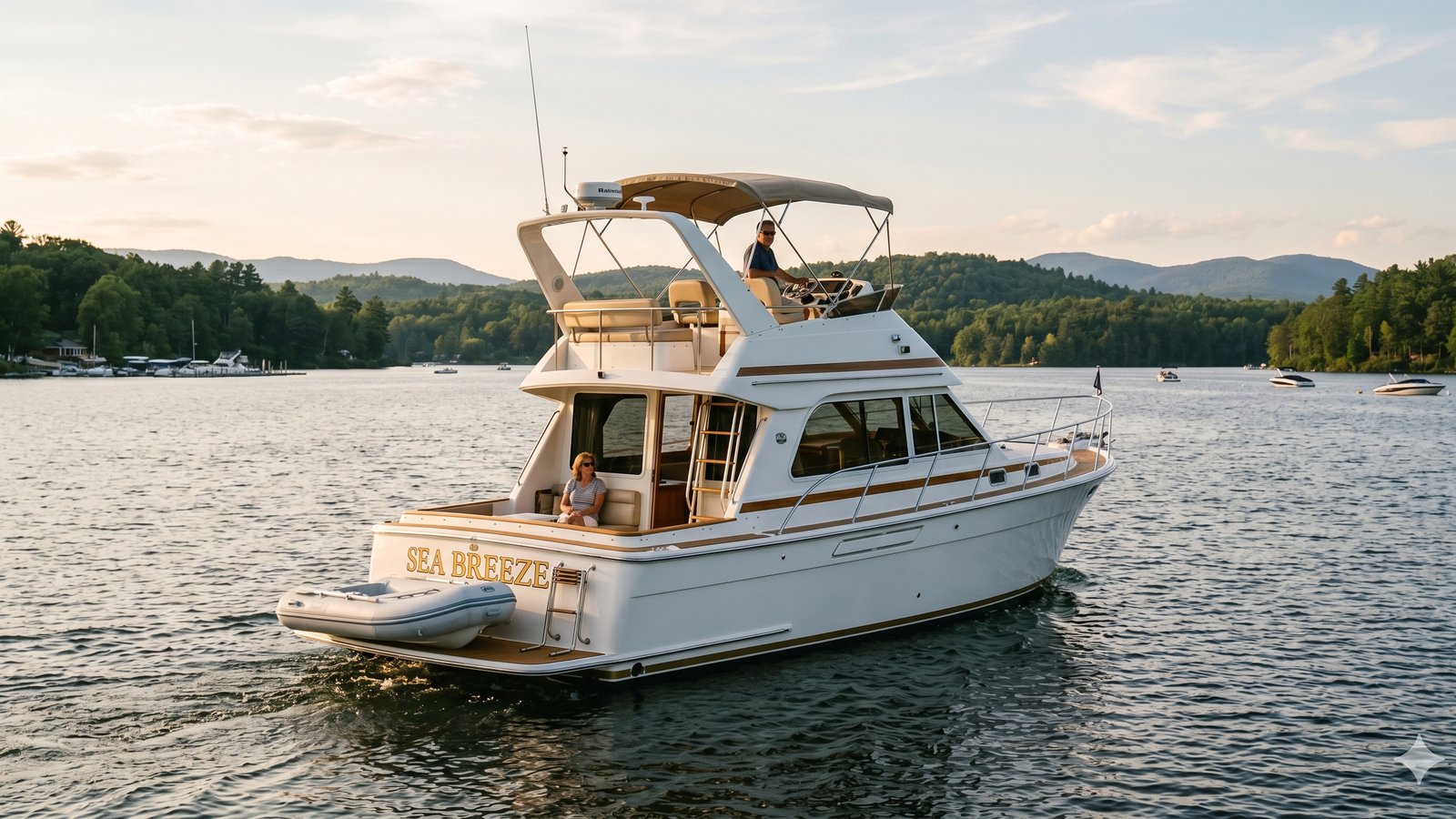
Yachts are primarily coastal and offshore vessels. Even yachts berthed at inland venues like Hartbeespoort Dam may cruise to coastal waters seasonally. A coastal policy is almost always appropriate.
RIBs and inflatables are used extensively in both environments — as surf zone vessels, dive support craft, and harbour and lagoon runabouts. Coastal cover is typically needed.
One Policy for Both: The Practical Solution
For most South African boat owners who use their vessel across both inland and coastal environments, a single comprehensive policy with appropriate navigation limits is the most practical and usually the most cost-effective solution. Working with a specialist marine insurance broker allows you to structure a single policy that covers all your legitimate use cases — whether that is the weekend at the Vaal in March and the coastal cruise to Knysna in December, or the Hartbeespoort season and summer game fishing off the KZN coast.
The most important thing is to be honest with your broker about where you actually use the vessel. Cover for waters you never navigate is wasted premium; cover that doesn't extend to waters you do navigate is a gap that could prove extremely expensive.