Eastern Cape
CoastalEastern Cape
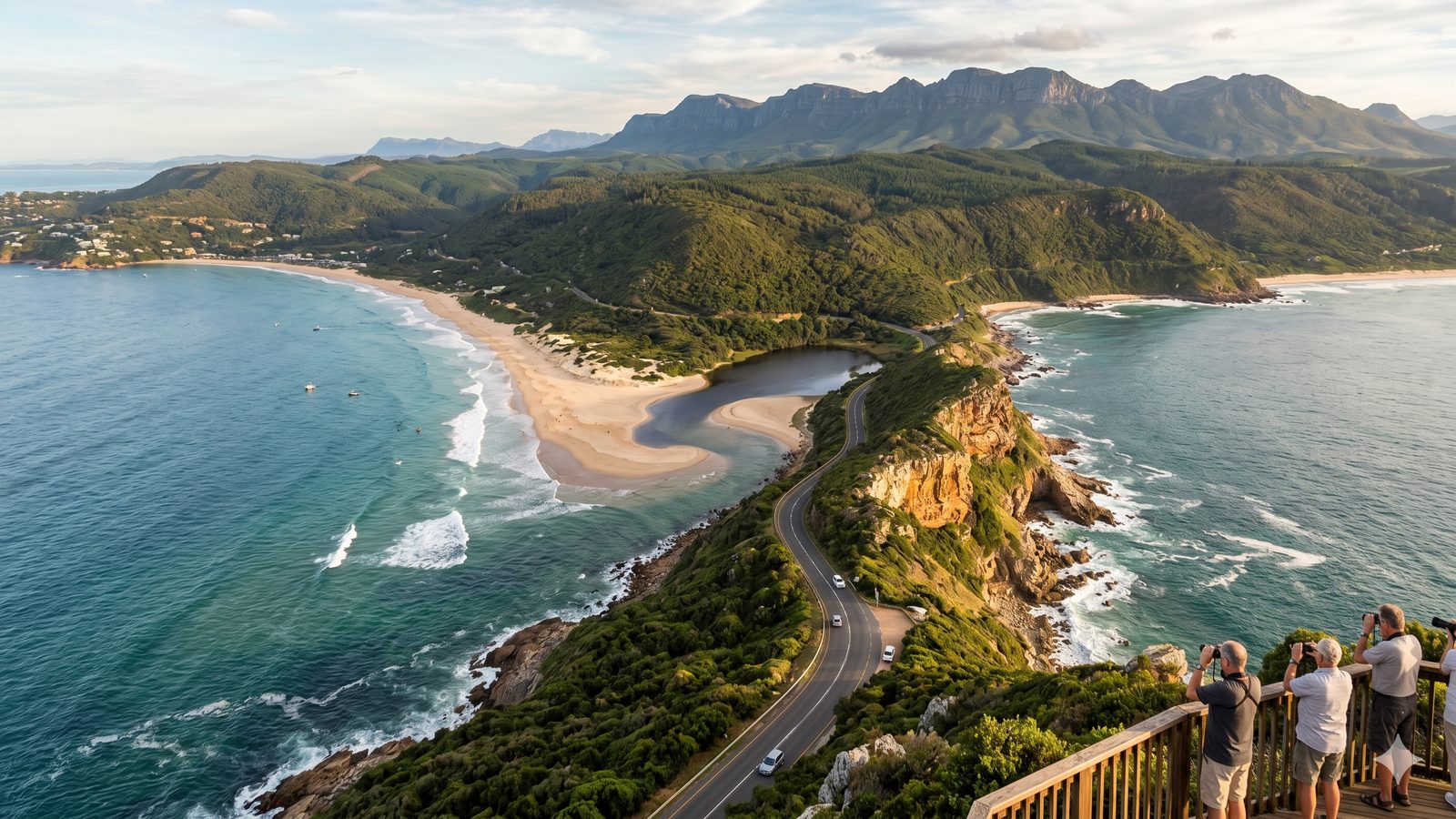
The Eastern Cape coastline stretches from the Storms River in the west to the KwaZulu-Natal border in the east, encompassing the Garden Route's eastern section, the Friendly City of Port Elizabeth (Gqeberha), East London's Buffalo City, and the spectacular Wild Coast. Each of these areas presents unique boating conditions and insurance considerations.
Boating Highlights
- ⚓Algoa Bay (Port Elizabeth)
- ⚓East London Harbour
- ⚓Wild Coast fishing and diving
- ⚓Tsitsikamma National Park
- ⚓Morgan Bay and Chintsa
- ⚓Kowie River (Port Alfred)
- ⚓Gonubie and surrounds
Local Risks
- ⚠Wild Coast rugged, exposed conditions
- ⚠Limited port access on Wild Coast
- ⚠Strong longshore currents
- ⚠Remote locations — limited rescue services
- ⚠Bar crossings at Wild Coast river mouths
- ⚠Eastern Cape weather variability
Eastern Cape Boat Insurance: From Algoa Bay to the Wild Coast
The Eastern Cape presents two very different boating environments. The western section — Port Elizabeth's Algoa Bay — offers some of South Africa's most sheltered coastal conditions and a well-established boating infrastructure. The eastern section — the Wild Coast stretching to the KZN border — is one of the most remote, beautiful and demanding coastal environments in the country.
Algoa Bay: Eastern Cape's Boating Hub
Port Elizabeth (Gqeberha) has an active recreational boating community centred on the Algoa Bay Yacht Club and Port Elizabeth Ski Boat Club. The bay's semi-circular shape provides reasonable protection from the dominant south-westerly swell, and the warm-to-temperate water makes year-round boating comfortable. The bay's proximity to Addo Elephant National Park and the Tsitsikamma coastline makes it an ideal base for exploring the Eastern Cape.
The Wild Coast: South Africa's Final Frontier
The Wild Coast — stretching approximately 280 kilometres from East London to the KZN border — is South Africa's most remote and least-developed coastline. There are virtually no formal harbours or boat ramps along its length. Access to the sea is via river mouths with bar crossings that can only be attempted in calm conditions. Navigating the Wild Coast requires expert local knowledge, appropriate vessel capability, comprehensive safety equipment, and thorough communication planning.
Vessels making Wild Coast passages should inform their insurer of the planned route, carry EPIRB and appropriate flares, file a detailed float plan with a shore-based contact, and have clear contingency plans for all scenarios.
Boat Insurance FAQs for Eastern Cape
Is the Wild Coast covered under standard SA boat insurance?
Yes — the Wild Coast forms part of the SA coastal navigation area. However, the extremely limited harbour access, exposed conditions and remoteness require extra preparation and appropriate safety equipment. Notify your insurer of planned Wild Coast passages.
Get a Quote
No obligation — takes under 2 minutes
Get Boat Insurance for Eastern Cape Today
Our licensed marine insurance brokers know Eastern Cape's waters, risks and local conditions — and will find you the right cover at the right price.
Get a Quote
No obligation — takes under 2 minutes