Vaal Dam Boating Insurance: The Complete Guide for SA's Inland Boating Capital
The Vaal Dam is home to the largest concentration of ski boats in SA. Here's everything Vaal Dam boaters need to know about insuring their vessels on SA's inland boating mecca.
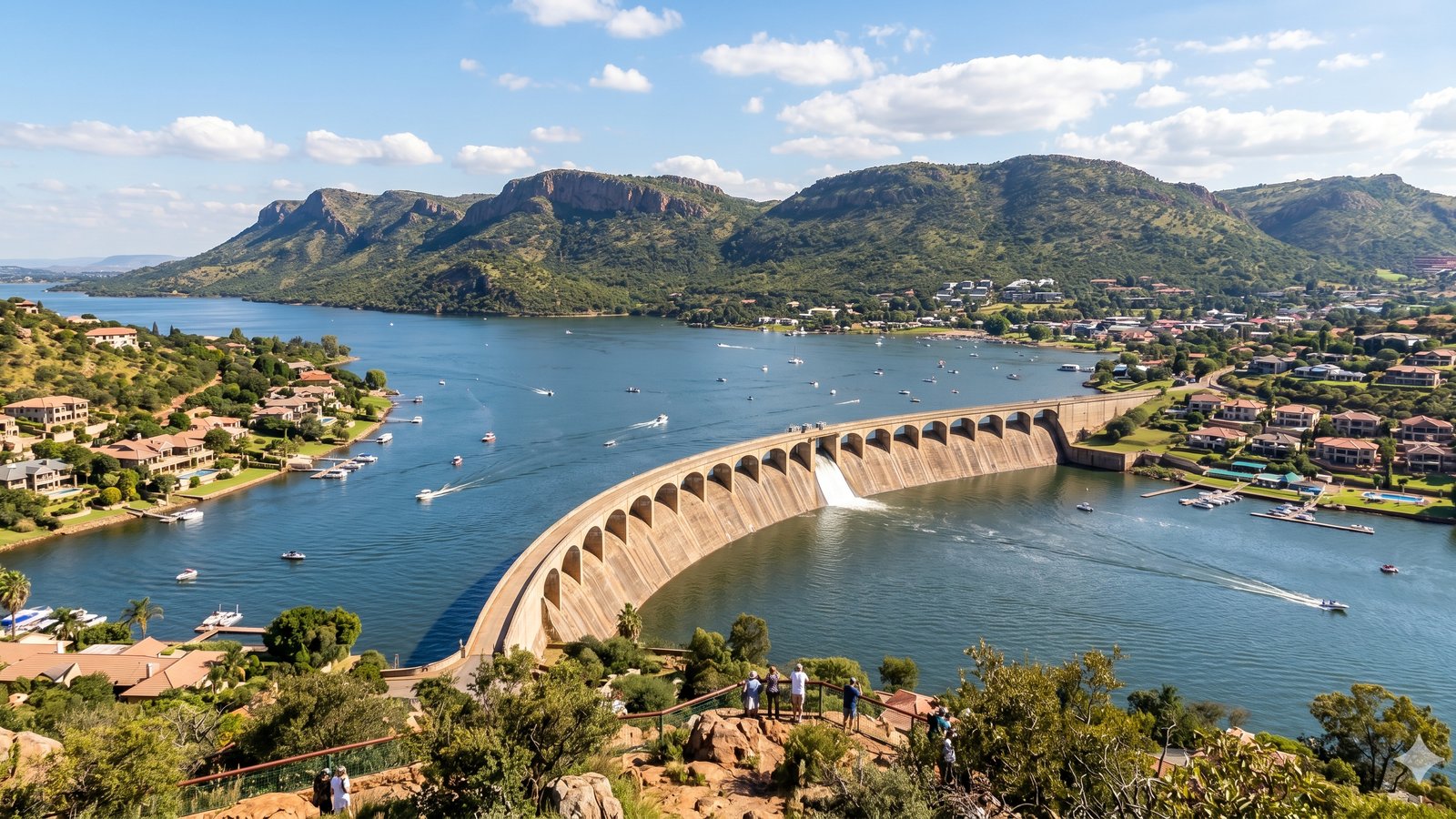
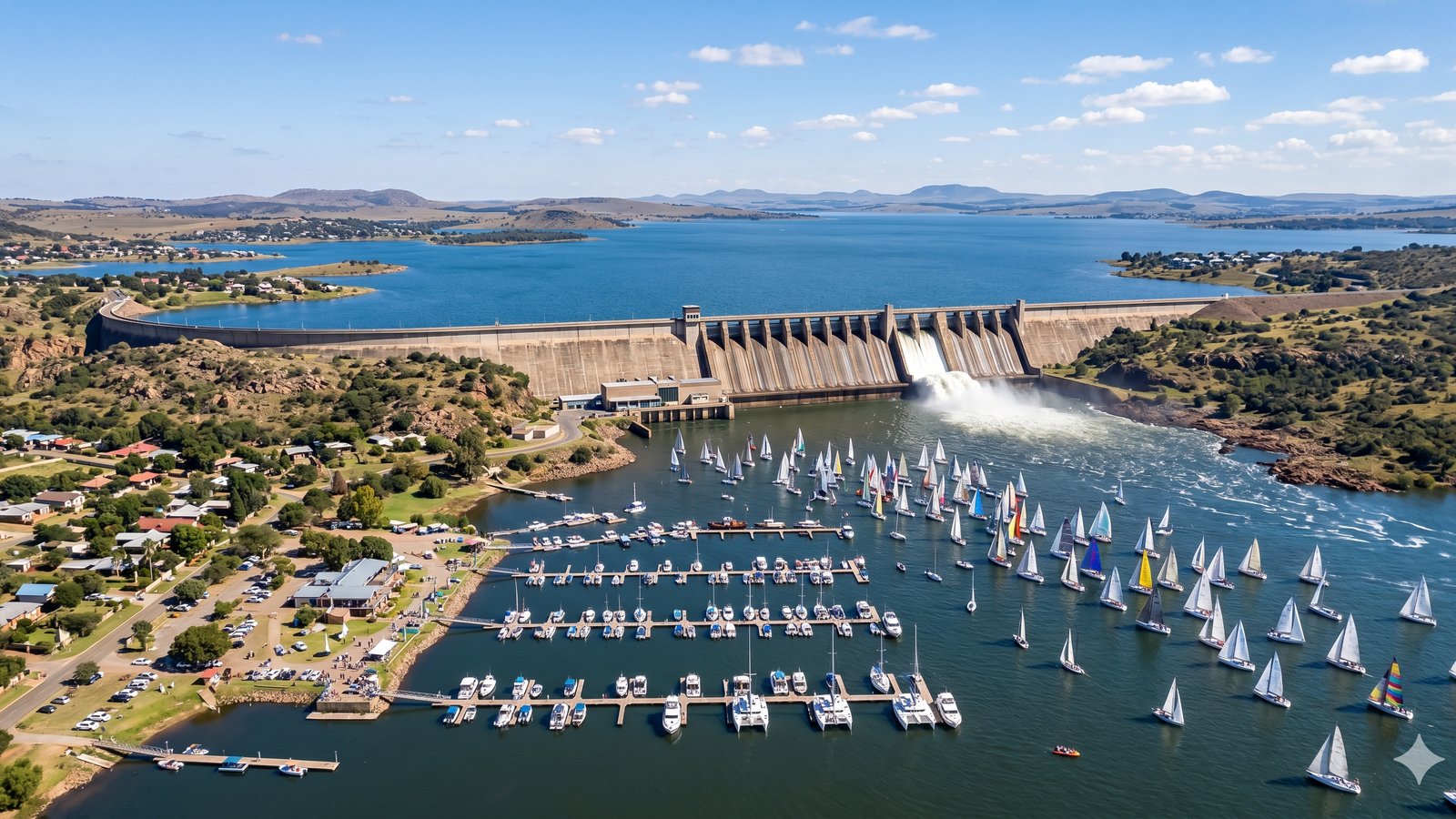
The Vaal Dam is South Africa's inland boating heartland. Eight yacht clubs, thousands of registered vessels, and some of the most active water sports communities in the country converge on this 300 square kilometre impoundment on the Gauteng-Free State border every weekend. From the prestigious Vaal Marina to the Emerald Resort, Deneysville, and Parys, the Vaal River system attracts a passionate boating community. For the thousands of Gauteng boat owners who call the Vaal home, understanding and obtaining the right boat insurance is essential.
Why the Vaal Dam Presents Unique Insurance Risks
The Vaal Dam's popularity is both its greatest attraction and its most significant risk factor for boaters. On a summer weekend, the dam hosts hundreds of vessels simultaneously — ski boats, jet skis, sailing yachts, fishing boats, and pontoons all sharing the same water. This concentrated activity elevates the collision risk beyond what most other South African waters present.
Weekend traffic management on the Vaal is coordinated by the various clubs and the relevant authorities, but with such large numbers of craft operating at high speeds in close proximity, incidents do occur. Third-party liability cover is not just recommended at the Vaal — it is effectively mandatory if you intend to use club facilities.
Highveld Thunderstorms: The Most Serious Vaal Risk
Highveld thunderstorms represent the Vaal Dam's most dangerous weather hazard for boaters. These storms — a regular feature of the South African summer (October through March) — can develop from a clear sky to a violent lightning, hail, and heavy rain event within 20-30 minutes. On open water with no shelter available, the threat from lightning alone is life-threatening.
At high speeds in rapidly building chop, ski boats can swamp or suffer hull damage from wave impact. Hail damage to fibreglass hulls, outboard cowlings, and windscreens is a real and regular occurrence on the Vaal. Comprehensive hull cover that includes storm and hail damage is essential for any vessel based at the Vaal Dam.
Build the habit of checking the Highveld storm forecast before launching. Apps like Weather Underground, Windy, and the SA Weather Service app provide hourly forecasts. If there is any chance of storms developing in the afternoon, plan your boating session around the risk — ideally launching early and returning to the club well before any storm front is expected.
Insurance Requirements at Vaal Dam Clubs
The eight yacht clubs at the Vaal Dam — each with its own facilities, membership structure, and rules — all require members to carry minimum insurance as a condition of membership and access to club facilities. Requirements typically include:
- Third-party liability insurance (minimum R2 million, some clubs require R5 million)
- Proof of insurance certificate on request from club management
- Comprehensive hull cover for vessels kept in club storage facilities
- Current skipper's licence for all operators
Contact your specific club secretary for their current insurance requirements before taking out a new policy. Requirements do change from time to time as clubs respond to incidents or revise their risk management frameworks.
Outboard Engine Theft at the Vaal
The Vaal Dam area — and the N1 highway between Johannesburg and the dam — has been significantly affected by outboard engine theft. Public boat ramps at the Vaal, particularly at lower-traffic times, are known targets. Outboards left on boats at public ramps overnight are a theft risk that should not be taken.
Engine locks (stainless steel transom locks) are strongly recommended for any outboard at the Vaal. A GPS tracker fitted to the engine (separate from any tracker on the hull) dramatically increases recovery chances. Parking your trailer-mounted boat at a supervised, fenced facility rather than at public ramp areas when not on the water is the most effective prevention.
Storm Shelter and Emergency Protocols
Knowing where to take shelter at the Vaal in the event of a sudden storm is essential knowledge for all boaters on this dam. The major clubs all have protected boat ramp areas. The safest course of action is to always head for the nearest safe ramp or club facility when storm cells are visible on the horizon, even if this means cutting a boating session short.
If you are caught on the open dam in a lightning storm: slow right down, get everyone below the gunwale where possible, disconnect electrical connections if safe to do so, and head for the nearest shore. Do not shelter under trees. If another vessel is in distress, contact the NSRI Water Rescue service or call 107 for emergency services.
Getting the Right Vaal Dam Policy
A policy suitable for Vaal Dam boating should include the following as a minimum:
- Hull and machinery cover at agreed value (reflecting full replacement cost)
- Third-party liability of at least R5 million (check your specific club's requirements)
- Comprehensive theft cover including outboard engine theft
- Trailer cover for the N1 journey from Johannesburg and Pretoria
- Storm, hail, and lightning damage
- Water sports liability (for tow sports — waterskiing, wakeboarding, tubing)
- Emergency towing and on-water assistance
Work with a specialist marine insurance broker who understands the specific environment and risks of the Vaal Dam. The right policy structure makes a material difference in the event of a claim.