Cabin Cruiser Insurance in South Africa: A Complete Guide
Cabin cruisers and motor launches are significant investments. Here's everything South African owners need to know about insuring these premium coastal vessels.
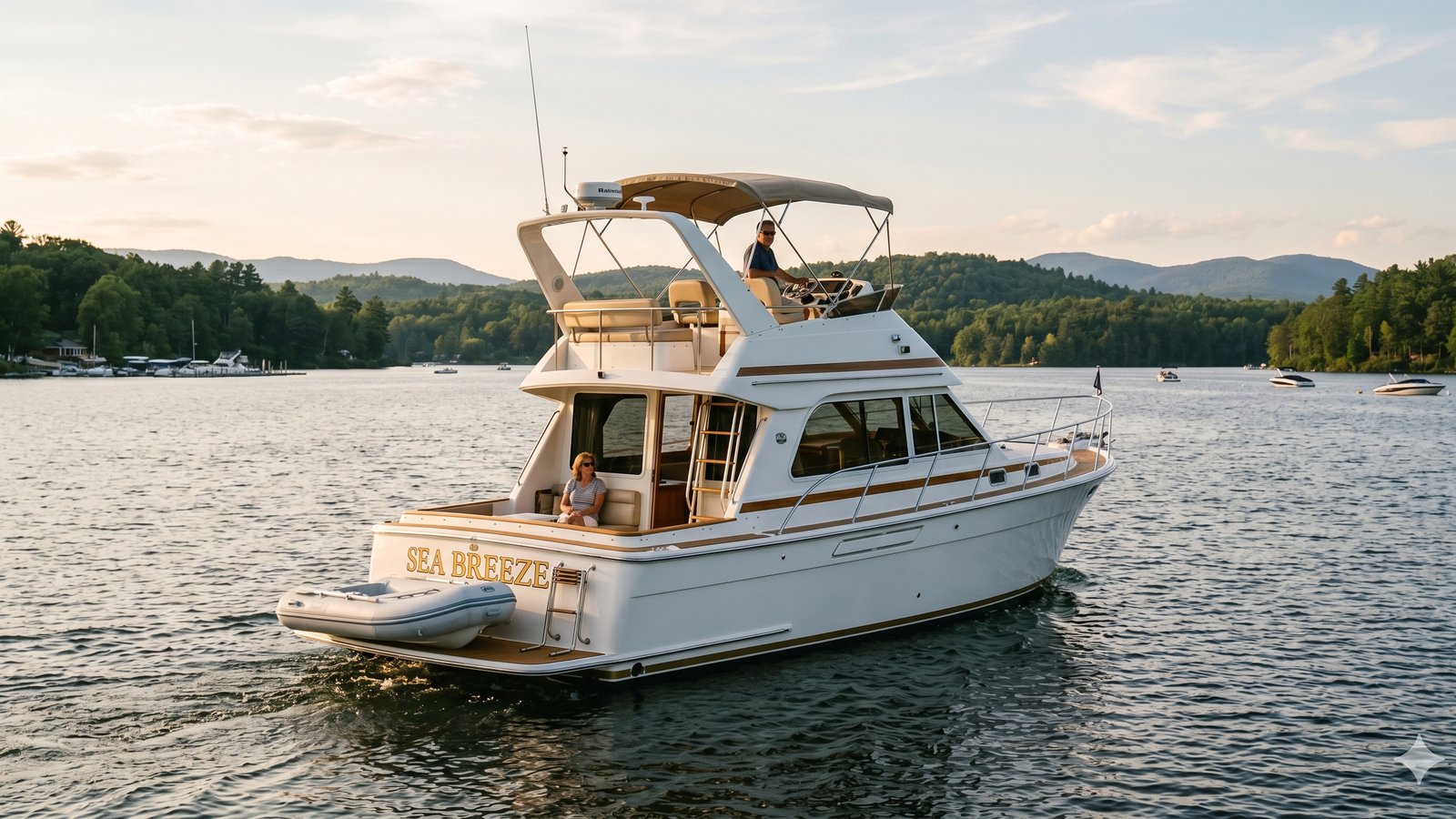
Cabin cruisers and motor launches represent the pinnacle of South African recreational boating — vessels designed for comfortable coastal cruising, entertaining guests, and overnight passages along the spectacular coastline from the Cape to Mozambique. With values ranging from R500,000 for a modest entry-level cruiser to R10 million or more for a premium motor yacht, these substantial vessels require comprehensive insurance that genuinely matches their sophistication and the environment in which they operate.
What Makes Cabin Cruiser Insurance Different
Cabin cruisers have a different risk profile to smaller day boats or inland watercraft, and their insurance should reflect this:
Higher vessel values mean that the financial exposure in any incident is proportionally greater. A collision damage repair on a large motor cruiser can run to hundreds of thousands of rands, and a total loss represents a life-changing financial event without proper agreed value cover.
Complex on-board systems — generators, air conditioning systems, watermakers, navigation electronics, entertainment systems — represent substantial additional value beyond the hull itself. Standard boat policies may have sub-limits for electronic equipment that are completely inadequate for a well-equipped coastal cruiser.
Coastal navigation requirements mean that most cabin cruiser owners need policies covering coastal waters and potentially offshore passages, rather than the inland-only policies appropriate for dam-based ski boats.
Marina berthing requirements create specific insurance obligations, as most marinas require proof of third-party liability before issuing a berth licence.
Hull and Machinery Cover: Getting the Agreed Value Right
For a cabin cruiser, agreed value hull cover is not merely preferable — it is essential. The combination of high vessel values, complex replacement logistics (not all makes and models are readily available in South Africa), and the financial planning implications of a total loss means that you must know exactly what you will receive if the worst happens.
Work with an independent marine surveyor to establish the correct agreed value. For vessels over five years old or over R500,000 in value, most reputable marine insurers will require a current survey as a condition of cover. The survey should assess the hull condition, machinery, all installed systems, and the quality and specification of on-board equipment.
Update your agreed value at each annual renewal. Marine property values in South Africa have been volatile — ensure your agreed value always reflects genuine current replacement cost.
Protecting On-Board Electronics and Equipment
Modern cabin cruisers are fitted with sophisticated navigation, communication, and entertainment electronics that can represent R200,000 to R1,000,000 or more in a well-equipped vessel:
- Multi-function chartplotter and navigation displays
- Radar systems (open array or dome)
- Autopilot systems
- VHF and SSB radio equipment
- Satellite communication systems (Inmarsat, Iridium)
- EPIRB and emergency position-indicating equipment
- Underwater cameras and sonar systems
- Multi-zone entertainment systems
Review your policy's electronics and on-board equipment sub-limit carefully. Many standard boat policies cap this coverage at R50,000 or R100,000 — amounts that would not even cover the navigation electronics on a mid-specification cruiser. All high-value electronics should be individually listed and scheduled on your policy.
Generator and Mechanical Systems
On-board generators, air conditioning systems, watermakers, and refrigeration systems are all covered under hull and machinery cover as permanently installed equipment. However, their inclusion should be confirmed in writing with your broker. Some policies define the covered machinery narrowly and may not automatically include auxiliary systems that are not directly propulsion-related.
The cost of generator and air conditioning failures — even under warranty — can be substantial on a large cruiser. Ensuring these systems are properly covered avoids unpleasant surprises.
Coastal Cruising and Navigation Limits
South Africa's coastline offers exceptional cruising grounds — the Cape Peninsula, the Garden Route, the Wild Coast, and the warm KwaZulu-Natal coast all provide spectacular destinations for cabin cruiser owners. Each coastal environment presents its own specific hazards:
The Cape coast is subject to powerful cold fronts, the Benguela current, significant swell, and rapidly changing weather. Passages around the Cape of Good Hope require careful weather routing and vessels of appropriate seakeeping capability.
The Garden Route offers more sheltered conditions for much of the season, but harbour entrances at Knysna and other ports require local knowledge and appropriate conditions.
The KwaZulu-Natal coast features warm water, the Agulhas Current, and favourable conditions for much of the year — but is also subject to powerful northerly swells and sudden weather changes.
Your navigation limits must reflect where you actually cruise. If you plan to cruise the full SA coastline, ensure your policy covers all of it. If you plan offshore passages to Mozambique, Madagascar, or beyond, international navigation endorsements are available.
Marina Requirements and Third-Party Liability
Most South African marinas require proof of third-party liability insurance before issuing a berth licence. Required minimums vary:
- Entry-level marinas may accept R2 million minimum
- Premium marinas often require R5 million minimum
- International marinas (for vessels cruising abroad) may require R10 million or more
Ensure your policy's liability limit meets the requirements of both your home marina and any marinas you plan to visit on your coastal cruising routes.
Choosing the Right Broker for Your Cabin Cruiser
The complexity of cabin cruiser insurance — agreed value assessment, equipment scheduling, navigation limit structuring, marina compliance, and potentially offshore extension — makes working with a specialist marine broker particularly valuable. A broker with regular cabin cruiser clients will know which South African marine underwriters offer the most appropriate products for these vessels and how to structure your policy to avoid the gaps that are common in poorly structured cruiser policies.