Jet Ski Insurance in South Africa: The Complete Guide for PWC Owners
Everything South African jet ski owners need to know about insuring their personal watercraft — from licence requirements to theft prevention and the best cover options.
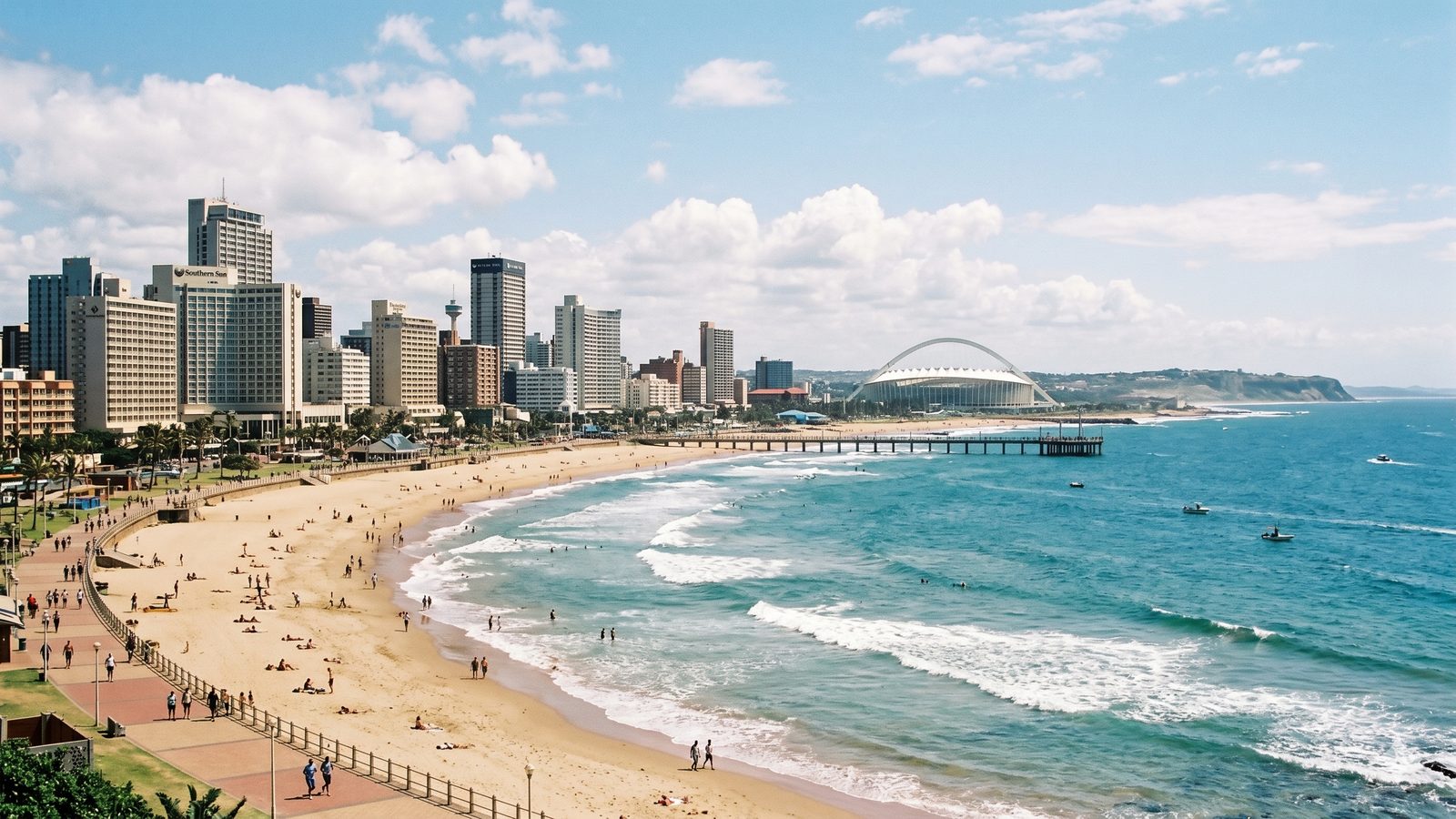
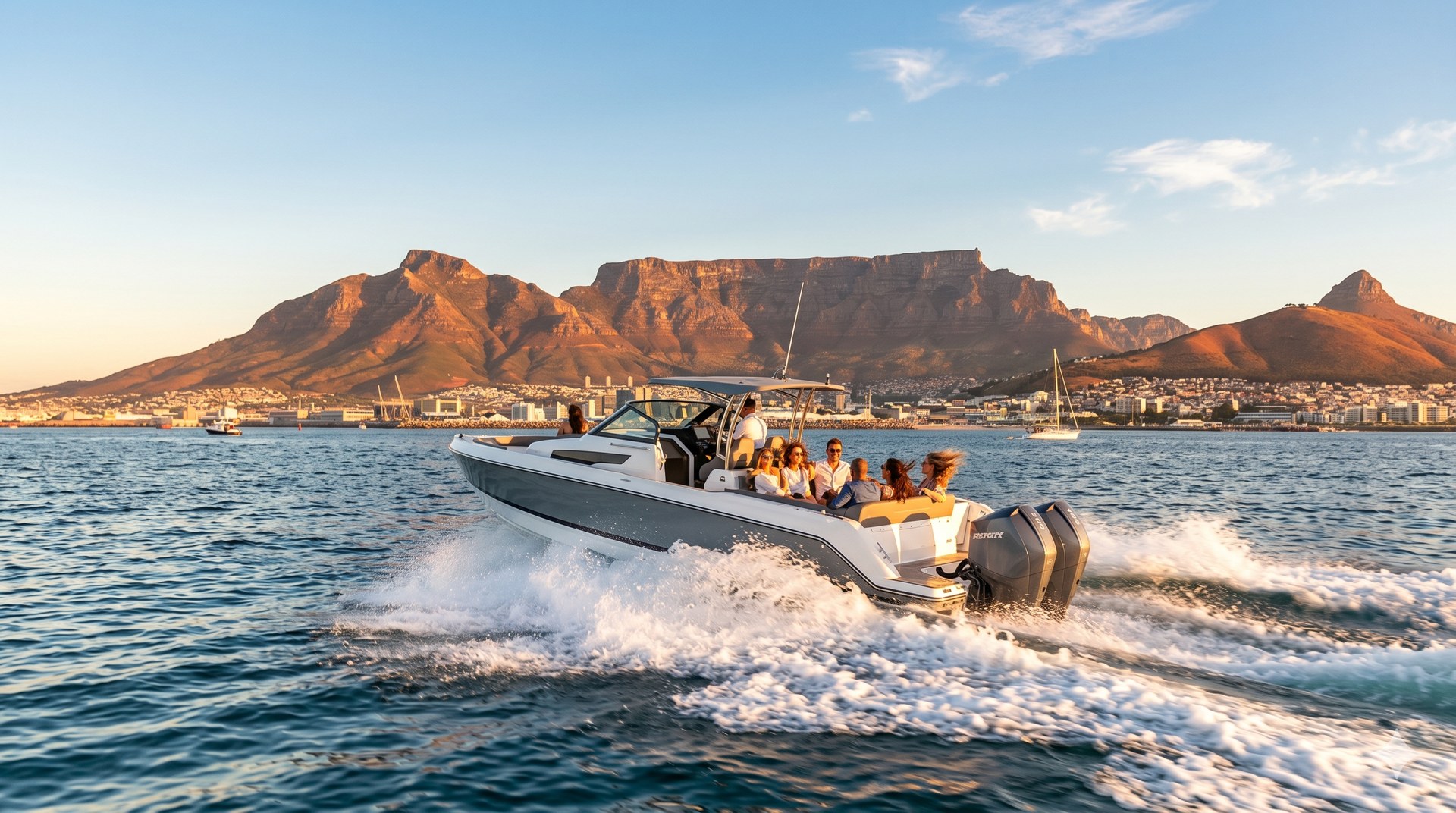
The personal watercraft (PWC) market in South Africa has grown substantially in recent years. Sea-Doo, Yamaha WaveRunner, and Kawasaki Jet Ski have passionate followings on South African waters — from Durban's Golden Mile to Cape Town's False Bay, and from Hartbeespoort Dam to the warm Indian Ocean waters off KwaZulu-Natal. New mid-range jet skis start from around R100,000 and high-performance models with supercharged engines can exceed R400,000 — making proper insurance not merely advisable but essential.
SAMSA Licence Requirements for Jet Ski Operators
Before discussing insurance, it's important to address licensing. SAMSA regulations require that any person operating a personal watercraft with an engine exceeding 15 kilowatts (approximately 20 horsepower) on public waters holds a valid Certificate of Competence. Virtually all modern jet skis — from entry-level models to high-performance supercharged craft — have engines that exceed this threshold.
This means that operating a jet ski without a SAMSA Certificate of Competence is illegal. More critically for insurance purposes, involvement in any incident while unlicensed will almost certainly result in the rejection of any insurance claim. If you intend to allow family members to operate the jet ski, they too must hold a valid licence. The licence requirement is non-negotiable from both a legal and insurance perspective.
Types of Jet Ski Insurance Cover
Third-Party Only: Covers your liability to others if your jet ski causes damage to property or injures someone, but provides no protection for damage to your own craft. Given the replacement values involved, third-party only cover is rarely the appropriate choice for jet ski owners.
Comprehensive: Covers your craft against accidental damage, theft, and provides third-party liability cover. This is the appropriate choice for virtually all jet ski owners. Comprehensive cover is available at agreed value or market value — agreed value is strongly recommended for newer, high-value craft.
Named Rider Policies: Some insurers offer policies that cover specific named riders. Ensure all regular operators of your jet ski are named on the policy, or you risk a claim being rejected on the grounds of an undeclared operator.
The Specific Risks Jet Skis Face
Theft: Jet ski theft — both whole craft and engine components — is a significant risk in South Africa. Modern jet skis can be loaded onto a trailer and driven away in minutes, and the high resale value on the grey market makes them attractive targets. GPS trackers, trailer locks, and secure storage are essential protective measures.
Collision damage: High-speed operation is inherent to jet ski use. Collisions with other craft, jetties, submerged objects (rocks, logs, sandbanks), and shoreline features are among the most frequent claim types. Jet ski hulls, ride plates, impeller wear rings, and handlepole assemblies are all vulnerable in collision incidents.
Damage during transport: A jet ski on a trailer being towed at highway speeds is vulnerable to road accidents, particularly during the long journeys many SA owners make to reach their preferred boating destinations.
Storm and hail damage: Highveld thunderstorms can cause significant hail damage to jet ski hulls, cowlings, and screens. Coastal owners face salt water corrosion risks from spray and immersion.
Jet Ski-Specific Insurance Considerations
Jet ski policies should address several specific considerations that general boat policies may not:
Watercraft-specific hull cover: Jet ski hulls are constructed differently to fibreglass boat hulls — hull damage to a jet ski may involve specialist materials and repair techniques with specific cost implications.
Engine compartment cover: The complex jet propulsion systems in modern sea-doos and wave runners are expensive to repair. Engine compartment cover for mechanical breakdown resulting from an insured event should be confirmed.
Rescue and towing: Jet ski breakdowns on open coastal water are common — wave runners being overtaken by their wakes at low speed can ingest water through the engine air intake. Emergency towing from open coastal water can be expensive, making assistance cover valuable.
Reducing Your Jet Ski Insurance Premium
The following measures will meaningfully reduce your annual premium:
- GPS tracker on hull: Dramatically improves recovery rates for stolen craft — insurers reward this with lower premiums
- Trailer wheel clamp and hitch lock: Prevents the most common theft method
- Engine immobiliser: Prevents unauthorized starting
- Secure managed storage: Park at a fenced, supervised facility rather than an exposed driveway
- Clean claims history: Avoid making small claims that cost more in long-term premium loading than the immediate payout
- Additional training: Completing a SAMSA-approved advanced boating safety course demonstrates competence and may attract a premium discount
Where to Get Jet Ski Insurance in South Africa
Specialist marine insurance brokers have access to the full range of South African marine underwriters and can structure a policy that precisely meets your needs as a jet ski owner. Working through a specialist broker — rather than approaching a general insurer — gives you access to better products, more competitive pricing, and genuinely knowledgeable advice.