Catamaran Insurance in South Africa: Everything You Need to Know
South Africa's growing catamaran market needs specialist insurance. Here's a complete guide for sailing and power cat owners in SA waters.
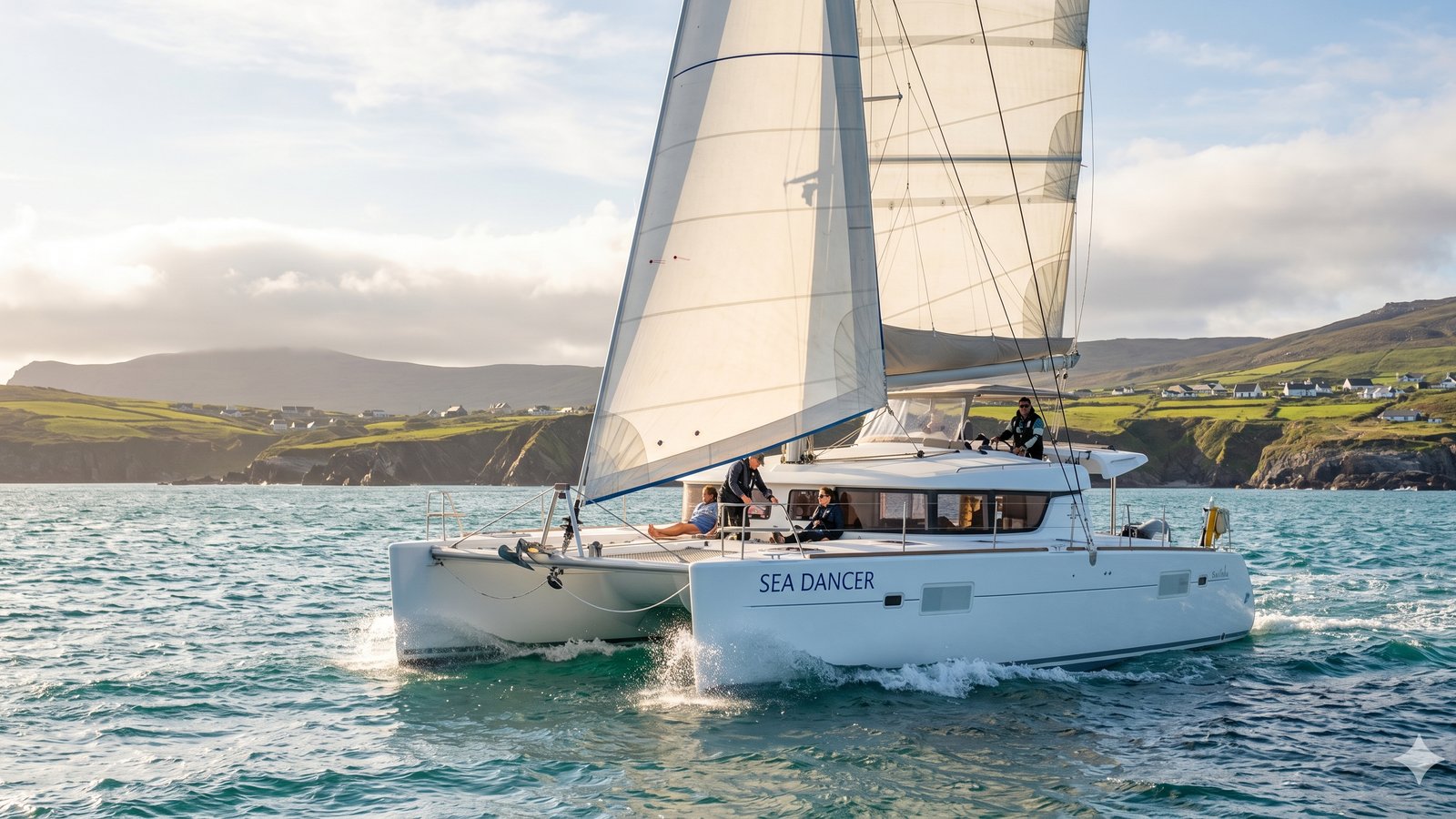
South Africa has a proud catamaran tradition. Robertson & Caine — a Cape Town-based manufacturer — builds the globally celebrated Leopard catamaran range, which is exported to yacht charter fleets worldwide and recognised as one of the finest cruising catamaran brands in production. South African sailors and bluewater cruisers have been at the forefront of the global catamaran movement for decades, and local waters see regular arrivals of cruising cats from around the world making passage along the Indian Ocean circuit or completing circumnavigations. Insuring these specialist vessels correctly requires understanding the specific characteristics that distinguish catamarans from monohull yachts.
Why Catamarans Need Specialist Insurance
Catamarans present specific insurance considerations that distinguish them from monohull yachts and require underwriters with genuine multihull experience:
Dual hull structure: Both hulls must be assessed in any damage claim. Structural repairs to catamaran hulls — particularly modern production cats built in composite materials — require specialist boatbuilders familiar with the specific construction methods. Repair rates and material costs reflect this specialisation, and standard repair cost assumptions applicable to fibreglass monohulls may significantly underestimate catamaran repair costs.
Higher replacement values: A quality bluewater cruising catamaran typically costs significantly more than a comparable monohull. A new Leopard 45 retails for R8 million or more; larger performance cats or well-equipped bluewater vessels can exceed R20 million. Adequate agreed value cover at the correct insured value is critical.
Beam width considerations: Catamarans are wide — a 45-foot sailing catamaran may have a beam of 8+ metres. Marina berth costs are typically charged on overall beam rather than waterline length, which means catamarans pay meaningfully more for marina accommodation. Your mooring and berthing arrangements must be correctly described on your policy.
Different stability and capsize profile: While sailing catamarans are extremely difficult to capsize in normal conditions, a capsize — should one occur — creates a very different claim profile to a monohull knockdown. An inverted catamaran is a major salvage operation. Underwriters with multihull experience understand this distinction and price it appropriately.
Agreed Value Cover: Non-Negotiable for Catamarans
Given the high replacement values of quality catamarans, agreed value cover is strongly recommended — and arguably non-negotiable. Market value cover, which deducts depreciation from the settlement at the time of loss, can leave you dramatically short of the funds needed to purchase a comparable replacement vessel.
In a South African market where used catamaran values have been volatile and where specific models can be difficult to source locally, the agreed value should reflect not just the depreciated value of the vessel but the genuine current cost of finding and acquiring a comparable replacement. Work with a qualified marine surveyor to establish the correct agreed value, and review it at least every three years.
Charter Catamaran Insurance: A Specialist Category
South Africa has a vibrant charter catamaran industry, centred primarily in Cape Town and the Western Cape. Charter operations introduce a fundamentally different risk profile and require appropriately structured insurance:
Commercial charter endorsement: The vessel policy must have an explicit commercial charter endorsement. A recreational policy on a vessel used commercially for charter is a misrepresentation that will result in claim rejection.
Passenger liability: Paying charter guests must be covered under passenger liability provisions. The liability exposure from injuries to paying guests on commercial charter trips is substantial.
SAMSA charter vessel compliance: Charter vessels must meet SAMSA's requirements for commercial passenger-carrying vessels, including Certificate of Fitness, appropriate safety equipment, and operator certification. Non-compliance affects both your SAMSA legal standing and your insurance cover.
Charter crew and skipper cover: Charter operations typically involve employed skippers and crew. Their cover — under the vessel policy or separately through crew insurance — must be addressed.
Offshore and Bluewater Passages
South African catamarans regularly cruise to Mozambique, Madagascar, Reunion, Mauritius, and beyond. International cruising endorsements are available from specialist marine underwriters to extend coverage beyond South African territorial waters. Requirements for offshore cruising endorsements typically include:
- Current independent marine survey (generally within two years)
- Evidence of crew competency (qualifications and experience for offshore passages)
- Appropriate safety and communication equipment (EPIRB, SSB radio or satellite comms, liferaft)
- Agreed routing and timing within the extended coverage area
Racing Catamarans: Specific Cover Requirements
South Africa has an active multihull racing scene. Standard catamaran policies typically exclude racing — any damage sustained during a race, or during delivery to and from a race start, would not be covered under a standard policy. If you race your catamaran, you need specific racing endorsement on your policy. Declare all racing activities and events to your broker, including offshore races and delivery voyages.
Finding a Specialist Catamaran Insurer
Not all South African marine insurers have experience with catamarans. The specific structural characteristics, replacement values, and operational patterns of catamarans require underwriters who genuinely understand multihull vessels. A specialist marine insurance broker with catamaran experience will know which underwriters in the SA market have the appropriate expertise and offer genuinely competitive products for catamaran owners.